
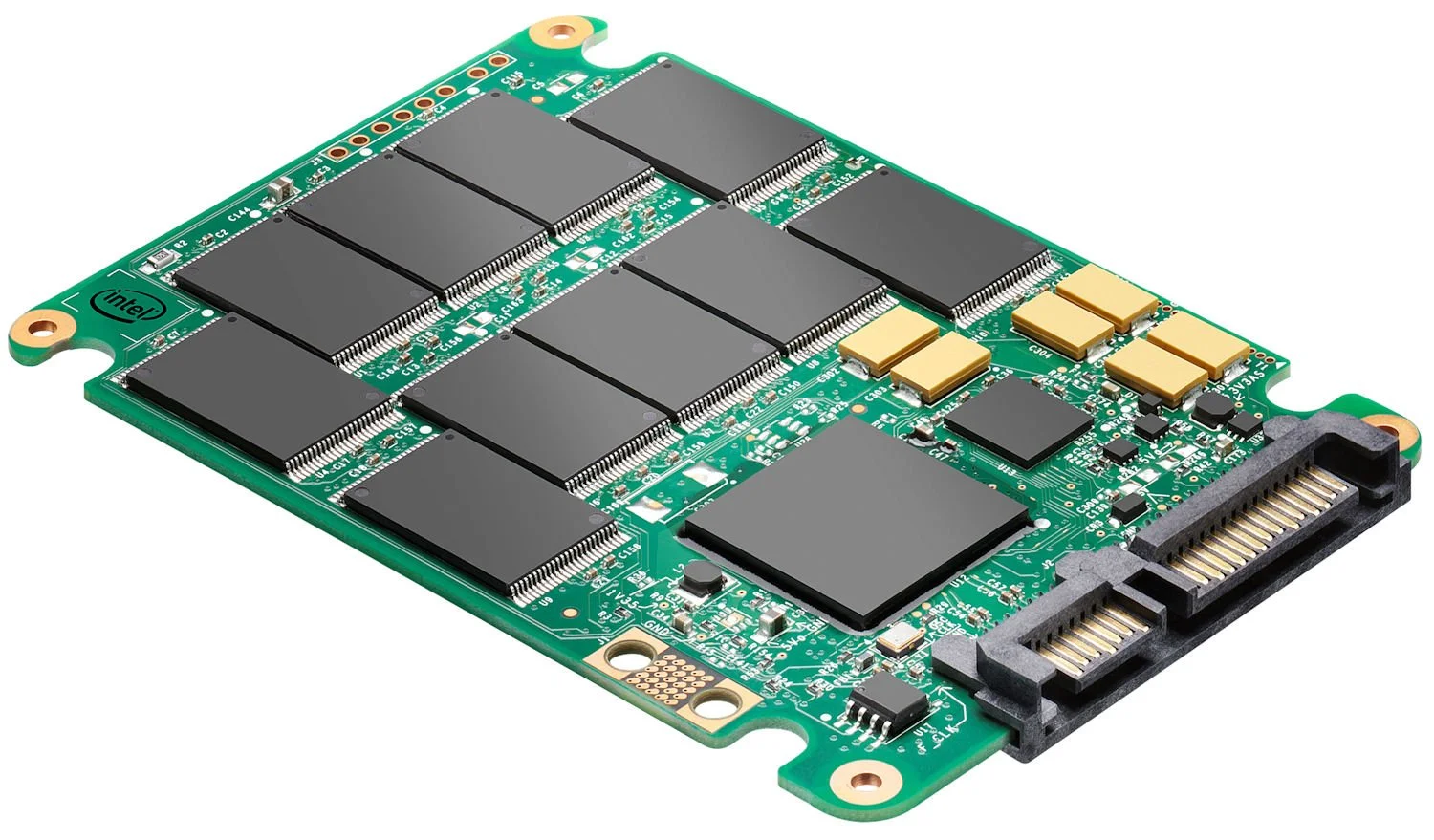
SSD data recovery in san jose & the bay area
failed, not detected, corrupted, encrypted & external SSD recovery
Photos, documents, videos, business files, encrypted volumes, project data, and personal files may still be recoverable when an SSD is not detected, corrupted, reformatted, damaged, locked in read-only mode, showing the wrong capacity, or no longer booting.
With 26+ years of experience, Kotar Data Recovery provides professional SSD recovery for clients in San Jose and across the Bay Area. We recover data from SATA, NVMe, PCIe, M.2, U.2, external, laptop, desktop, MacBook, workstation, server, and enterprise solid-state drives.
Free secure courier pickup is available across the Bay Area. You can also request a free shipping label or visit our San Jose lab by appointment.
Your SSD is examined within 2 hours after it arrives at our San Jose lab, and we provide the recovery options and a fixed quote before any work begins.
why data can still be recoverable after an SSD fails
Solid-state drives can fail suddenly because of controller problems, firmware corruption, NAND degradation, electrical damage, power loss, file-system errors, connector damage, or other hardware and logical failures.
Even when an SSD is no longer recognized, will not boot, reports the wrong capacity, or contains inaccessible files, recoverable data may still remain within the flash memory.
Our San Jose lab uses specialized SSD recovery tools to diagnose controller, firmware, NAND, PCB, file-system, and interface problems. Our engineers protect the original SSD and use the safest available recovery method based on the condition of the controller, firmware, NAND memory, electronics, interface, and file system.
SSD types and storage we recover
SATA SSDs used in laptops, desktops, workstations, servers, and external enclosures
NVMe SSDs used in modern laptops, desktops, gaming systems, workstations, servers, and high-performance storage
M.2 SSDs including SATA and NVMe-based storage used in compact computers and modern systems
PCIe and U.2 SSDs used in workstations, servers, enterprise systems, and performance-oriented storage
External SSDs used for backups, photographs, video projects, business files, Time Machine, portable storage, and creative work
Laptop and desktop SSDs affected by controller failure, firmware damage, NAND problems, power issues, corruption, or file-system failure
Enterprise SSDs used in servers, storage systems, business environments, and data-intensive applications
Common SSD manufacturers including Samsung, Western Digital, SanDisk, Crucial, Kingston, Intel, SK hynix, Micron, Seagate, Toshiba, and other supported SSD models
Encrypted SSDs including BitLocker, FileVault, and other encrypted volumes when the required password, recovery key, or credentials are available
common SSD failures we recover from
SSD not detected by Windows, macOS, BIOS, Disk Utility, a server, or an external enclosure
Controller failure preventing normal access to NAND memory and stored data
Firmware corruption causing freezing, unstable behavior, incorrect identification, or disappearance from the system
NAND memory errors causing corrupted files, unstable reads, missing data, or repeated access errors
Wrong capacity or 0GB detection where the SSD reports an incorrect size or no usable storage
Read-only mode where files can no longer be modified, written, or saved normally
PCB or electrical damage causing no power, intermittent detection, or communication failure
Power surge or voltage damage affecting the controller, PCB, or other SSD electronics
Broken SATA or USB connectors and other interface damage preventing reliable communication with the device
File-system or partition corruption causing RAW, unmounted, unreadable, or inaccessible volumes
Liquid or contamination damage affecting PCB components, connectors, or SSD electronics
deleted or formatted SSD recovery
Deleted or formatted data on an SSD is different from data on a hard drive because TRIM and garbage collection can clear the underlying flash pages. If those pages have already been cleared, the deleted data cannot be recovered from them.
If important files were deleted or the SSD was accidentally formatted, stop using the device immediately. Continued use can trigger additional storage activity and reduce the remaining recovery options.
SSD not detected recovery
If your SSD is not detected by Windows, macOS, BIOS, Disk Utility, a server, or an external enclosure, do not initialize, erase, format, partition, or reinstall the operating system.
An SSD may stop appearing because of controller failure, firmware corruption, NAND problems, PCB damage, power-related failure, file-system corruption, connector damage, or enclosure problems.
Our engineers evaluate the SSD first and determine the safest available recovery method based on the condition of the controller, NAND memory, firmware, electronics, and file system.
external SSD recovery
We recover data from external SSDs used for backups, photographs, video projects, business files, Time Machine, portable work storage, creative media, and personal archives.
Common failures include external SSDs that no longer mount, repeatedly disconnect, ask to be formatted, show corrupted files, stop appearing after a power event, suffer USB connector damage, or become inaccessible after an enclosure or controller failure.
If the enclosure is the only failed component, the SSD itself may still be accessible. If the SSD is unstable, repeated reconnection or power cycling can increase the risk of further problems.
NVMe SSD recovery
NVMe SSDs are commonly used in modern laptops, desktops, workstations, servers, and high-performance systems. When an NVMe SSD fails, it may disappear from BIOS, stop appearing in Windows Disk Management or Disk Utility, report an incorrect capacity, or prevent the computer from booting.
Our San Jose lab evaluates failed NVMe and M.2 SSDs affected by controller failure, firmware problems, NAND degradation, electrical damage, power loss, corruption, accidental deletion, formatting, and other storage failures.
Because NVMe SSDs can fail without the mechanical warning signs associated with hard drives, avoiding repeated power cycles and repair attempts is especially important when the data is valuable.
encrypted SSD recovery
We recover data from encrypted SSDs using BitLocker, FileVault, and other supported encryption systems when the underlying storage can be recovered and the required access information is available.
Depending on the encryption method, recovery may require:
Password or passphrase for the encrypted volume
Recovery key or keyfile when required
Hardware token, PIN, or other access credential when applicable
All encrypted SSD recovery work is handled in-house at our San Jose lab using secure handling procedures.
signs of a failing SSD
Sudden system crashes, freezes, or boot failures
Files that will not open or appear corrupted
Very slow performance or long delays when opening files
SSD enters read-only mode
SSD is no longer detected
External SSD does not mount or repeatedly disconnects
Computer will not boot from the SSD
Wrong capacity or 0GB is displayed
Partitions or volumes disappear
Operating system asks to initialize or format the SSD
Unexpected input/output errors or repeated access failures
what you should do and not do
Copy the most important accessible files first only if the SSD is operating normally and stable; stop using it if it freezes, disconnects, disappears, or behaves unpredictably
Stop using the SSD at the first sign of crashes, corruption, read errors, read-only behavior, or detection problems
Do not initialize, erase, partition, or format the SSD if the computer asks you to set up or repair the device
Do not reinstall the operating system onto an SSD containing important inaccessible data
Do not run repeated recovery scans on an unstable SSD because additional reads may make recovery more difficult
Avoid firmware resets and repair utilities unless the data is already safely backed up
Avoid repeated power cycles if the SSD is not detected or behaves unpredictably
Gather the password or recovery key if the SSD or volume is encrypted
our 3-step SSD recovery process
Free evaluation and fixed quote - the SSD is examined within 2 hours after it arrives at our San Jose lab, and the recovery options and a fixed quote are provided before work begins
Safe imaging and recovery - the original SSD is protected and the safest available recovery method is used based on the condition of the controller, firmware, NAND memory, electronics, interface, and file system
File reconstruction and verification - accessible files, folders, partitions, and directory structures are reconstructed and checked before delivery
how fast do you need your data back?
standard service - recovery during regular business hours
express service - completed in up to 72 hours
24/7 emergency service - round-the-clock recovery on request
why choose kotar for SSD data recovery
26+ years of data recovery experience with controller, firmware, NAND, electrical, file-system, encrypted-storage, and logical SSD failures
Professional San Jose data recovery lab serving individuals, businesses, creative professionals, engineers, legal teams, healthcare organizations, and other clients across the Bay Area
All recovery work performed in-house at our San Jose lab without outsourcing your SSD or data to third-party companies
Specialized SSD recovery tools for failed, corrupted, encrypted, unstable, read-only, and not-detected solid-state drives
Experience with SATA, NVMe, M.2, PCIe, U.2, external, laptop, desktop, and enterprise SSDs
Free secure courier pickup available across the Bay Area
Free shipping label available when shipping is more convenient
Free evaluation within 2 hours after the SSD arrives at our lab
No data, no fee guarantee
Fixed quote before recovery begins so you know the cost before approving the work
Secure handling for personal files, business records, legal documents, healthcare information, engineering data, financial records, photographs, videos, and confidential projects
24/7 emergency service available on request for urgent recovery cases
SSD recovery FAQs
Can data be recovered from an SSD that is not detected?
Often, yes. An SSD can stop being detected because of controller failure, firmware corruption, NAND problems, electrical damage, connector issues, or file-system failure. We evaluate the device to determine the safest available recovery method based on its condition.
Can you recover data from a failed NVMe SSD?
Yes, depending on the condition of the SSD. We recover data from NVMe and M.2 drives affected by controller problems, firmware failures, NAND issues, electrical damage, corruption, formatting, and other storage failures.
Can you recover an encrypted SSD?
Yes, when the underlying storage is recoverable and the required password, recovery key, or other encryption credentials are available. We handle BitLocker, FileVault, and other supported encrypted-storage cases.
Can you recover data from an SSD showing 0GB or the wrong capacity?
Yes, depending on the cause of the failure. Incorrect capacity or 0GB detection can result from controller, firmware, NAND, or electronic problems. Our engineers evaluate the SSD to determine whether the storage can be accessed using professional recovery methods.
related data recovery services
For clicking, dropped, mechanically damaged, or not-detected hard drives, visit our hard drive data recovery page.
For RAID arrays, NAS systems, servers, and multi-drive business storage, visit our RAID data recovery page.
For deleted, formatted, corrupted, or missing files, visit our lost file recovery page.
For MacBook, iMac, APFS, FileVault, and Apple storage failures, visit our Mac data recovery page.
ready to get your data back?
or
call (408) 455‑4310 to speak with a data recovery expert
or
send us email at restore@kotar.us