
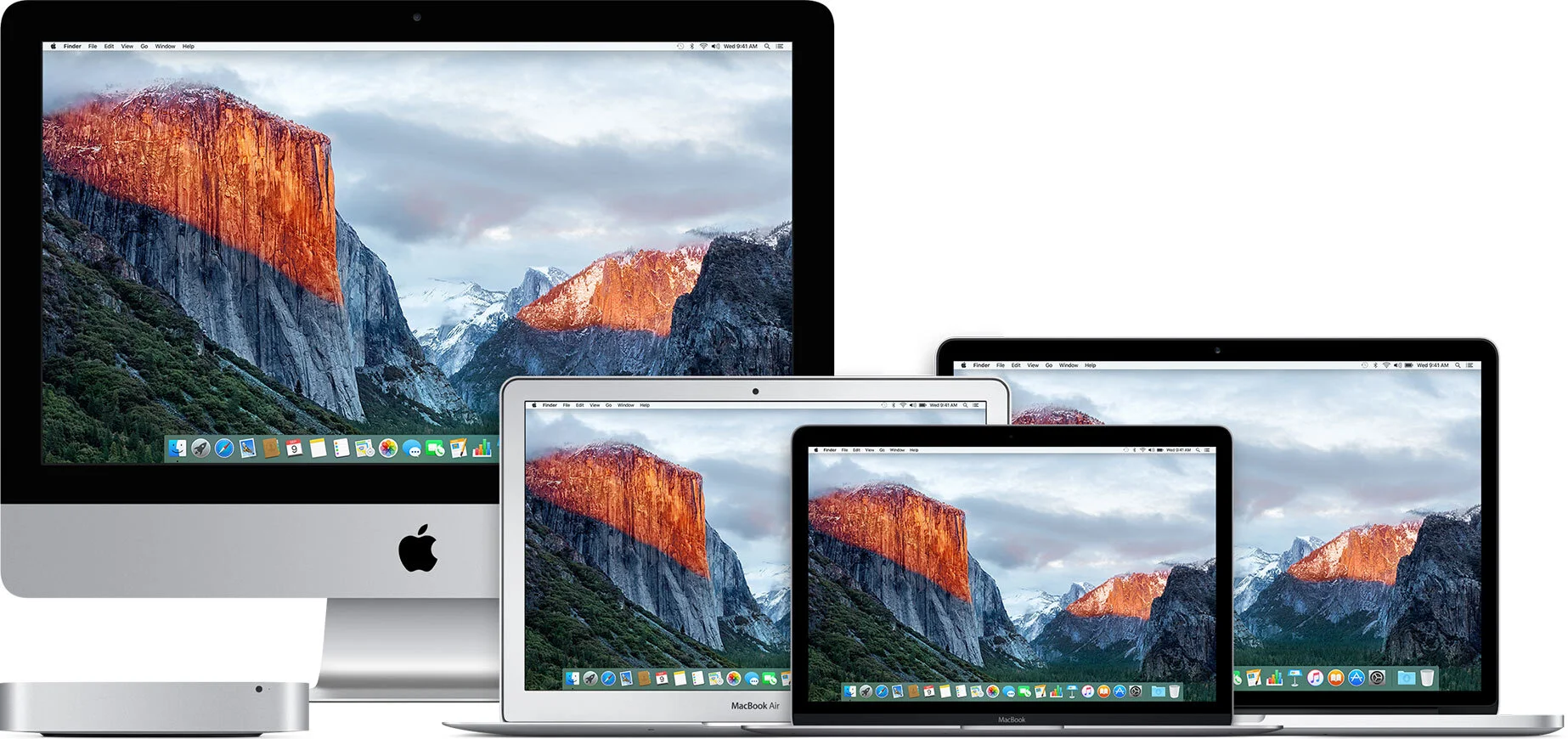
Mac data recovery in san jose & the bay area
MacBook, iMac, Fusion Drive, Time Machine, APFS & FileVault recovery
Documents, photos, videos, business files, creative projects, Time Machine backups, and personal data may still be recoverable when a MacBook, iMac, Mac mini, Mac Studio, internal SSD, Fusion Drive, or external Mac drive fails.
With 26+ years of experience, Kotar Data Recovery provides professional Mac data recovery for clients in San Jose and across the Bay Area. We recover data from MacBook Pro, MacBook Air, iMac, Mac mini, Mac Studio, Mac Pro, Apple SSD storage, Fusion Drives, external Mac drives, Time Machine backups, APFS volumes, HFS+ storage, and FileVault-encrypted devices.
Free secure courier pickup is available across the Bay Area. You can also request a free shipping label or visit our San Jose lab by appointment.
Your Mac or storage device is examined within 2 hours after it arrives at our San Jose lab, and we provide the recovery options and a fixed quote before any work begins.
why Mac data can still be recoverable
Mac computers can lose access to data after SSD failure, logic board problems, liquid damage, failed macOS updates, APFS or HFS+ corruption, accidental deletion, formatting, FileVault issues, or damage to external storage.
Even when a Mac will not boot, the internal drive does not mount, or files are no longer visible, recoverable data may still remain on the underlying storage.
Our San Jose lab evaluates the Mac and its storage first, protects the original media, and uses the safest available recovery method based on the device, storage architecture, file system, encryption, and failure type.
supported Mac devices and storage
MacBook Pro and MacBook Air systems affected by SSD failure, logic board failure, liquid damage, corruption, failed updates, or boot problems
iMac systems with internal SSDs, hard drives, Fusion Drives, APFS volumes, HFS+ storage, and external backup devices
Mac mini and Mac Studio systems with internal Apple storage, external drives, encrypted volumes, and attached backup storage
Mac Pro systems using internal or external storage, RAID, SSDs, and professional workflows
Fusion Drives combining SSD and hard drive storage where one or both components become inaccessible
Time Machine backup drives affected by corruption, formatting, drive failure, missing backups, or mounting problems
External Mac drives used for photos, videos, project files, backups, archives, and portable storage
APFS and HFS+ volumes affected by corruption, failed updates, missing containers, damaged file systems, or inaccessible data
FileVault-encrypted storage when the required password, recovery key, or credentials are available
common Mac data loss situations we recover from
Mac will not boot and remains stuck on the Apple logo, spinning wheel, or startup screen
Question mark folder appears because the Mac cannot find or access the startup volume
Mac drive will not mount in Finder, Disk Utility, or macOS
APFS or HFS+ corruption causing missing folders, inaccessible files, damaged containers, or unmounted volumes
MacBook logic board failure preventing normal startup or access to internal storage
Liquid-damaged Mac affecting the logic board, storage components, power system, or internal connections
Failed macOS update causing startup failure, damaged user folders, missing files, or inaccessible storage
Deleted files or emptied Trash involving documents, photos, videos, projects, and business files
Reformatted Mac storage where partitions, volumes, or user data were erased accidentally
Time Machine backup corruption causing missing snapshots, unreadable backups, failed restores, or inaccessible backup drives
FileVault-encrypted storage failure where recovery requires both accessible storage and the correct credentials
External Mac drive failure involving USB, Thunderbolt, SSD, HDD, enclosure, file-system, or mounting problems
Mac drive not mounting
If a Mac drive does not appear in Finder, Disk Utility, or macOS, do not erase, initialize, repartition, or reinstall macOS if the data is important.
A Mac drive may fail to mount because of APFS corruption, HFS+ damage, SSD failure, hard drive problems, bad sectors, enclosure issues, interrupted updates, damaged partitions, or storage-controller problems.
Our engineers evaluate the original storage first and determine the safest available method for accessing and recovering the data.
MacBook data recovery
We recover data from MacBook Pro and MacBook Air systems affected by SSD failure, liquid damage, logic board problems, macOS corruption, accidental deletion, failed updates, and devices that no longer boot.
MacBook recovery may involve removable or integrated Apple storage, encrypted volumes, external backups, APFS containers, and device-specific hardware considerations.
Our San Jose lab evaluates the MacBook and explains the available recovery options before work begins.
Fusion Drive recovery
Fusion Drives combine SSD and hard drive storage into a single logical volume. If either component fails, the combined storage may become inaccessible even when one device still appears functional.
Recovery can involve evaluating both storage devices, identifying the Fusion Drive structure, protecting the original media, and reconstructing the logical volume when the available data allows it.
If a Fusion Drive is no longer mounting, avoid reformatting, repartitioning, or attempting to recreate the volume before the original storage has been evaluated.
Time Machine recovery
We recover data from Time Machine backups that are corrupted, incomplete, deleted, reformatted, no longer mounting, or stored on failing external drives.
If a Time Machine drive is clicking, disconnecting, unreadable, asking to be erased, or showing missing backups, stop using it and avoid repair utilities that could modify the original storage.
FileVault and encrypted Mac recovery
We recover data from FileVault-protected and other encrypted Mac storage when the underlying storage can be recovered and the required access information is available.
Depending on the Mac and encryption configuration, recovery may require:
FileVault password or account password
Recovery key when available
Apple ID or other credentials when required by the configuration
Additional device-specific credentials in some cases
All encrypted Mac recovery work is handled in-house at our San Jose lab using secure handling procedures.
signs of a failing Mac drive or system
macOS will not boot or repeatedly crashes
Mac is stuck on the Apple logo or startup screen
Question mark folder appears at startup
Finder freezes or files disappear
Internal drive is missing from Disk Utility
External Mac drive or Time Machine backup will not mount
Very slow performance or repeated spinning beachballs
Files appear blank, corrupted, or inaccessible
Disk images will not mount or restore
FileVault or storage-related errors appear
MacBook does not power on after liquid or physical damage
macOS asks to initialize, erase, repair, or reinstall storage
what you should do and not do
Stop using the Mac if important files disappear, the system becomes unstable, or the storage shows signs of failure
Do not reinstall macOS if you need to recover files from the current system
Do not erase, initialize, repartition, or reformat the storage if Disk Utility asks you to
Do not repeatedly run First Aid or repair utilities on unstable or physically failing storage
Avoid repeated power cycles if the Mac will not boot or the storage repeatedly disappears
Do not keep charging or powering a liquid-damaged Mac because additional electrical damage can occur
Preserve your FileVault password and recovery key because encrypted recovery may require the correct credentials
Protect external drives from additional use when a Time Machine or backup device begins clicking, disconnecting, or reporting errors
our 3-step Mac data recovery process
Free evaluation and fixed quote - the Mac or storage device is examined within 2 hours after it arrives at our San Jose lab, and the recovery options and a fixed quote are provided before work begins
Safe imaging and recovery - the original storage is protected and the safest available recovery method is used based on the Mac model, storage architecture, APFS or HFS+ file system, encryption, hardware condition, and failure type
File reconstruction and verification - accessible files, folders, user data, photo libraries, projects, backup data, and directory structures are reconstructed and checked before delivery
how fast do you need your data back?
standard service - recovery during regular business hours
express service - completed in up to 72 hours
24/7 emergency service - round-the-clock recovery on request
why choose kotar for Mac data recovery
26+ years of data recovery experience with Mac, Apple storage, APFS, HFS+, Fusion Drive, FileVault, Time Machine, SSD, hard drive, and external-storage failures
Professional San Jose data recovery lab serving Mac users, businesses, creative professionals, photographers, engineers, legal teams, healthcare organizations, students, and families across the Bay Area
All recovery work performed in-house at our San Jose lab without outsourcing your Mac, storage device, or data to third-party companies
Specialized Mac recovery tools for APFS, HFS+, FileVault, Fusion Drive, Time Machine, Apple SSD storage, and external Mac drives
Experience with MacBook, iMac, Mac mini, Mac Studio, and Mac Pro storage across modern and supported legacy Apple systems
Free secure courier pickup available across the Bay Area
Free shipping label available when shipping is more convenient
Free evaluation within 2 hours after the Mac or storage device arrives at our lab
No data, no fee guarantee
Fixed quote before recovery begins so you know the cost before approving the work
Secure handling for personal files, business records, creative projects, legal documents, healthcare information, engineering data, financial files, photographs, videos, and confidential data
24/7 emergency service available on request for urgent recovery cases
Mac data recovery FAQs
Can data be recovered from a Mac that will not boot?
Often, yes. A Mac that will not boot may still contain accessible data even when macOS cannot start normally. The recovery method depends on the Mac model, storage architecture, file system, encryption, and condition of the underlying storage.
Can you recover data from a MacBook with liquid damage?
Yes, depending on the extent of the damage. Liquid exposure can affect the logic board, power circuits, storage components, and internal connections, but recoverable data may still remain. Avoid powering or charging the Mac until it has been evaluated.
Can you recover FileVault-encrypted Mac data?
Yes, when the underlying storage is recoverable and the required password, recovery key, or other credentials are available.
Can you recover data from a damaged Time Machine backup?
Yes, depending on the condition of the backup and the drive storing it. We recover data from Time Machine backups affected by file-system corruption, failed external drives, formatting, missing snapshots, inaccessible folders, and other storage problems.
related data recovery services
For clicking, dropped, damaged, or not-detected hard drives, visit our hard drive data recovery page.
For failed NVMe, SATA, M.2, and other solid-state storage, visit our SSD data recovery page.
For deleted, formatted, corrupted, or missing files, visit our lost file recovery page.
For SD cards, camera media, USB flash drives, and deleted photos, visit our photo and flash memory recovery page.
For iPhone and Android devices, visit our smartphone data recovery page.
ready to get your Mac data back?
or
call (408) 455‑4310 to speak with a data recovery expert
or
send us email at restore@kotar.us